Taj Mahotsav 2027: dates, tickets and how to spend a day there
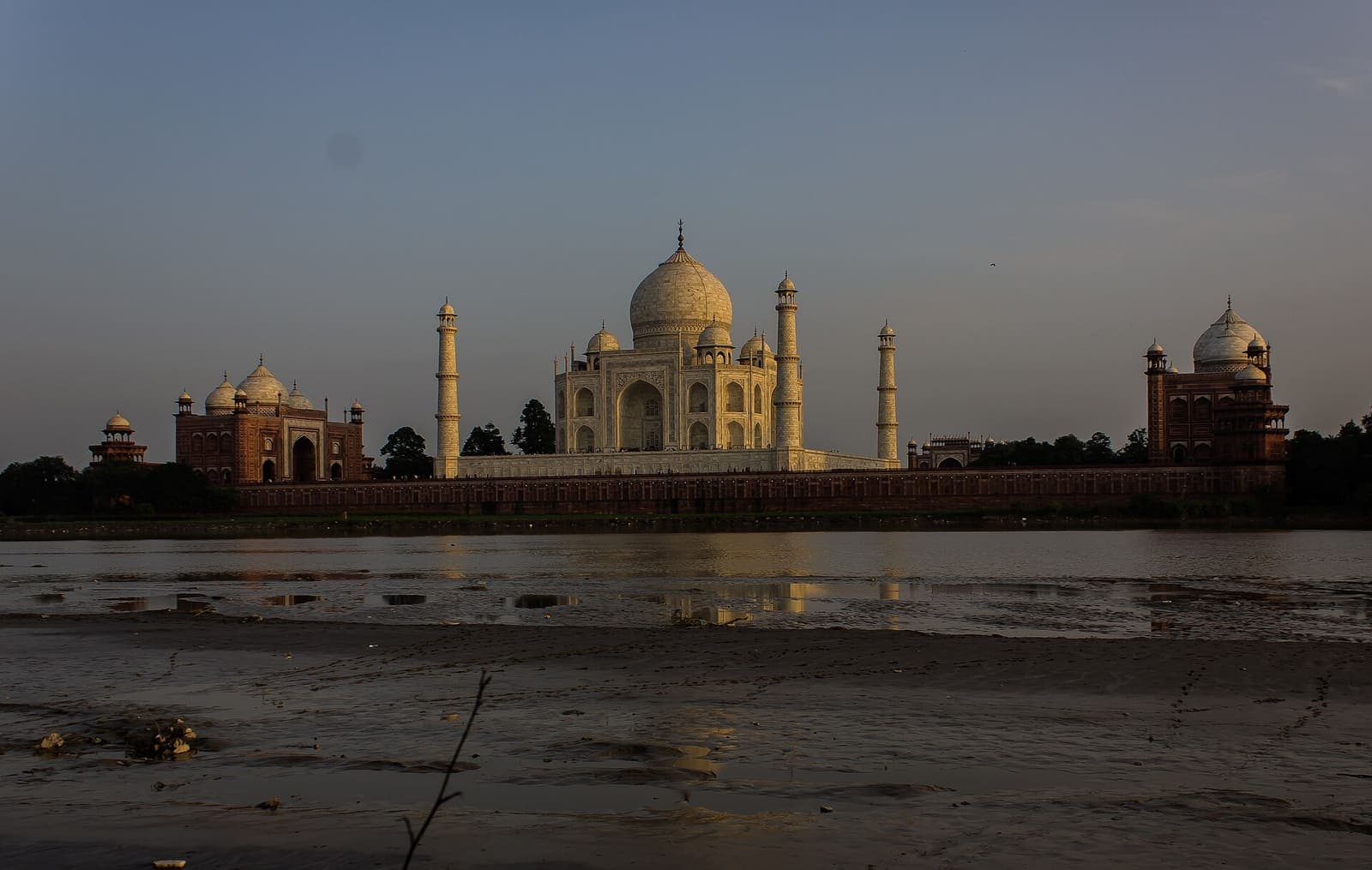
In February, Shilpgram by the Taj’s East Gate fills with craftspeople from across India, food stalls, fairground rides and an open-air stage. Here is what we know about the 2027 edition, and how to spend a good day there.
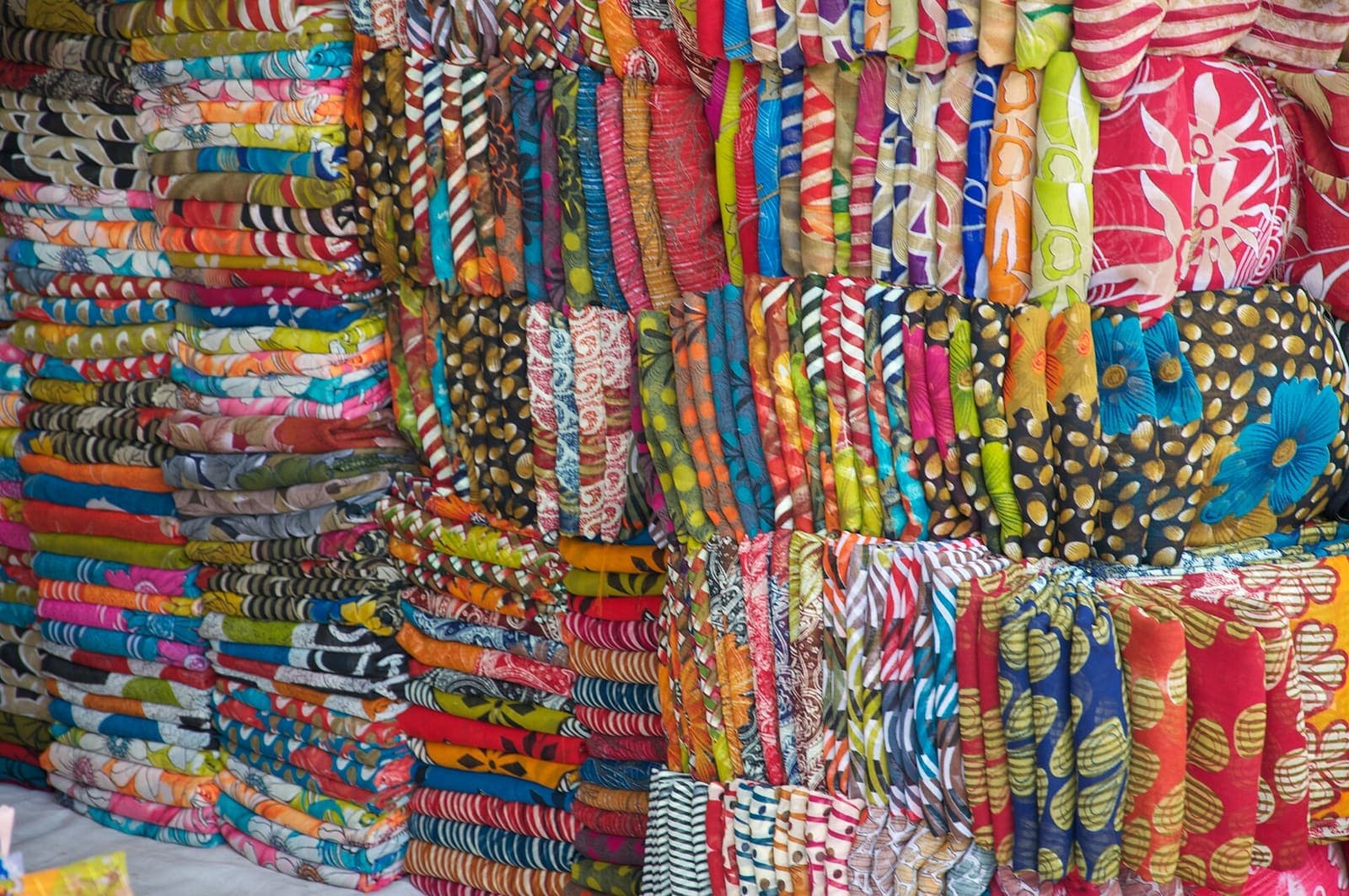
Photo: Jon Connell · Wikimedia Commons · CC BY 2.0
Taj Mahotsav is Agra’s ten-day festival of crafts, food, music and dance, held at Shilpgram, the crafts village 500–600 metres from the Taj Mahal’s East Gate. It has traditionally run from 18 to 27 February. The 2027 dates have not been announced yet: as of 6 October 2026 the official site still shows the 2026 edition, so treat 18–27 February as likely rather than certain.
The 35th edition, in 2026, ran from 18 to 27 February. Entry was ₹50 for adults and free for children up to three and for foreign tourists, and the evening stage programme came with the ticket. The grounds open at 10:00 AM and usually stay open until about 10:00 PM.
We run a rooftop restaurant on the other side of the city, above MG Road 2, so this is a local’s guide rather than an official one. The festival numbers come from the organisers’ own pages and notices; the advice is ours.
Taj Mahotsav at a glance
| What | The short answer |
|---|---|
| Where | Shilpgram, 500–600 metres from the Taj Mahal’s East Gate, Agra |
| Usual dates | 18 to 27 February, open every day |
| 2027 dates | Not announced as of 6 October 2026 |
| Hours | From 10:00 AM to about 10:00 PM |
| Entry (2026) | ₹50 for adults; free for children up to three and for foreign tourists |
| School groups (2026) | ₹700 for 50 children in uniform, two teachers free |
| Evening stage | Included in the entry ticket |
| Parking (2026) | ₹20 for a two-wheeler, ₹50 for a car, taxi or auto, per four hours |
| Organiser | Taj Mahotsav Samiti, with UP Tourism |
When is Taj Mahotsav 2027?
Nobody can tell you yet. The festival has been held since 1992 and its traditional slot is 18 to 27 February, but the dates are a habit rather than a rule. In 2022 it was pushed into March, and in 2025 the crafts fair ran on until 2 March. The organisers’ own stall terms say the dates can change for unavoidable reasons.
If 2027 keeps the usual slot, it will run from Thursday 18 to Saturday 27 February, a stretch that takes in two Fridays, two Saturdays and a Sunday. The Fridays matter, because the Taj Mahal is closed on Fridays. Until the dates appear on the official site, tajmahotsav.org, book rooms you can cancel and keep your train plans flexible; the new year is a sensible time to start checking.
Ticket price and timings
These are the 2026 figures, from the entry page of the official site. The 2027 prices have not been published, so check before you go.
- Adults: ₹50 per person.
- Children up to three years old: free.
- Foreign tourists: free.
- School groups: ₹700 for 50 children in school uniform, with two teachers free.
Tickets are sold at windows on every entry gate, and the official site also links to an online ticket page. There is no separate ticket for the cultural programmes, so the evening on the main stage is included in the ₹50. Expect a queue and a security check at the gate.
The grounds open at 10:00 AM and usually close at about 10:00 PM. The stalls trade all day, and the main stage programme is in the evening, after dark.
What you will find at Shilpgram
Shilpgram is a crafts village that doubles as the official parking for the Taj Mahal. For the ten days of the festival it holds four things at once: craft stalls, food stalls, a fairground and an open-air stage.
The crafts
This is the heart of it. The organisers put the number at about 400 craftspeople from across India, and the 2026 stall list kept artisans’ stalls separate from commercial ones. Their own list runs from marble work and zardozi from Agra to wood carving from Saharanpur, brassware from Moradabad, carpets from Bhadohi, pottery from Khurja, chikankari from Lucknow, silk and zari from Banaras, hand printing from Farrukhabad, kantha from West Bengal, bamboo and cane from the North East and papier-mâché from Kashmir.
Walk the whole ground once before you buy; with this many stalls, it is worth seeing the range first. Carry a cloth bag, because the organisers’ rules ban polythene inside the grounds. (The photograph at the top of this page is Kinari Bazaar in the old city, not the festival.)
The food
The food has rules of its own. The 2026 stall list had separate categories for fast food, vegetarian and non-vegetarian stalls, and every food stall needed a food licence and had to cook on commercial gas. Bhelpuri, popcorn and sweetcorn, ice cream, and churan and digestive goli were each sold by a single licensed seller.
One line from the 2026 terms is worth remembering at the counter: bottled water, cold drinks and packaged ice cream could not be sold above the printed price inside the grounds. The price on the bottle is the price.
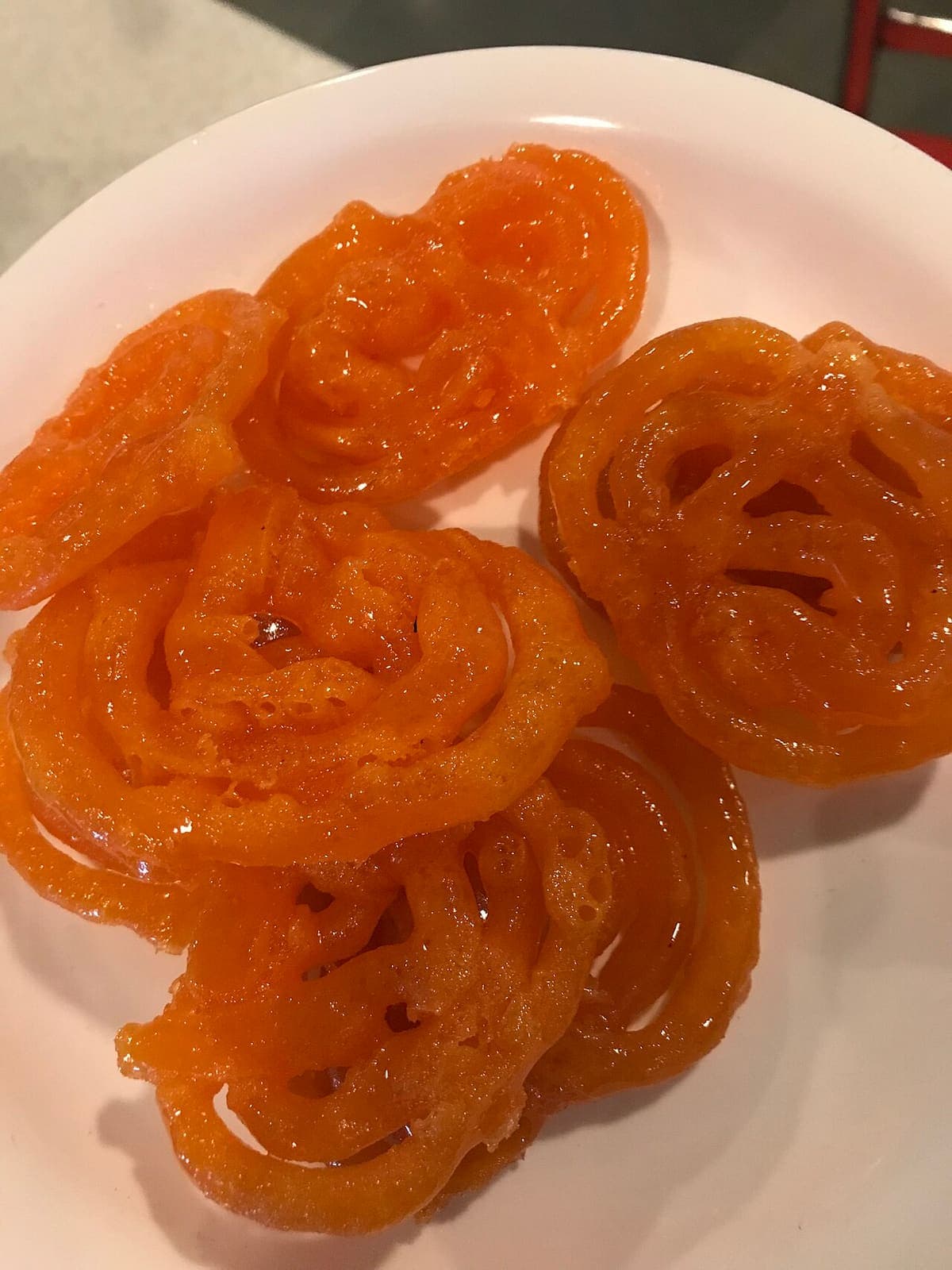
Photo: Rajeeb Dutta · Wikimedia Commons · CC BY-SA 4.0
The stage
Evenings belong to the open-air stage. In 2025 each night was a run of folk and classical acts from across India — Kathak, Kuchipudi, Odissi, Chhau, Dhrupad, Aalha, and Garhwali and Kashmiri folk among them — followed by one headliner.
The 2025 headliners included Malini Awasthi singing in Awadhi, Piyush Mishra, a comedy night with Sunil Grover and a bhajan evening with Kanhaiya Mittal, and earlier editions brought other big names. They draw big crowds, so on a headline night find your place early.
The fairground
There is a full mela fairground too. The organisers describe merry-go-rounds, Ferris wheels, train rides, slides and bouncy castles for small children, and spinning rides and compact roller coasters for older ones. Ask the price at each ride before you queue.
Beyond Shilpgram
In 2025 the festival also spread across the city: a daily Yamuna aarti, a free flower show at Taj View Garden, a heritage walk around the Taj’s gates, theatre, a mushaira and a kavi sammelan at Sur Sadan, and a qawwali evening by the Sabri Brothers in the Diwan-i-Am at Fatehpur Sikri. Whether 2027 does the same will be in its programme.
Getting to Shilpgram, and where to park
Shilpgram is on the East Gate side of the Taj, 500–600 metres from the gate. Polluting vehicles are not allowed near the monument, which is why the parking is out here: from it you walk, or take an electric bus towards the gate. Ask a cab or an auto for Shilpgram, Taj East Gate.
For the festival itself, the 2026 parking contract fixed the charges at ₹20 for a scooter or motorcycle, ₹50 for a car, taxi or auto and ₹100 for a mini coach, tempo traveller or bus. Each charge covers four hours, GST included, and the same again buys the next four.
Coming in by train, you will most likely arrive at Agra Cantt, and getting from Agra Cantt to the Taj has its own guide. Shilpgram is the same journey, to the East Gate side.
How to combine it with the Taj Mahal
The two fit together well, because the Taj is at its best early and the festival is at its best from the afternoon on. The Taj opens 30 minutes before sunrise and closes 30 minutes before sunset, which in the second half of February is roughly 6:15 AM to 5:45 PM. It is closed every Friday; the festival runs every day.
- Early morning: the Taj. Go in at opening through the East Gate, the one nearest Shilpgram. Indian visitors pay ₹50, SAARC and BIMSTEC nationals ₹540 and other foreign visitors ₹1,100, plus ₹200 for the main mausoleum, and children under 15 are free, according to the official Taj Mahal site.
- Midday: lunch and a rest. A February afternoon is warm in the open, and you will be on your feet again later.
- From about 3:00 PM: Shilpgram. See the crafts in daylight, eat at the stalls, and find a spot before the evening programme begins.
- On a Friday: make it the festival day, since the Taj is shut.
Photo: Gunjan Pandey · Wikimedia Commons · CC BY-SA 4.0
One thing not to plan around in 2027 is a moonlit night viewing. The ASI holds it on the full-moon night and the two nights either side, never on a Friday and not during Ramzan, and the February full moon, on the night of 20–21 February, falls in the middle of Ramzan. On the current rules, expect no night viewing in February 2027; our guide to seeing the Taj at night covers the rest of the year.
The weather in February
February is about as kind as Agra’s weather gets. The India Meteorological Department’s long-term averages put the daytime high at about 26°C and the night-time low at about 10°C, with roughly 11 mm of rain in the whole month.
In practice that means a warm afternoon among the stalls and a cool evening in front of the stage, because the temperature drops quickly once the sun sets, at about 6:15 PM. Bring a layer you can carry, something for the afternoon sun and a shawl for the evening. Mornings can still be hazy at the tail of the winter fog season, which matters more for a sunrise at the Taj than for the festival.
Tips for families
- Under-threes go free. A school group of 50 in uniform was ₹700 in 2026, with two teachers free.
- Do the rides in daylight. The fairground is easier with small children before the stage draws its evening crowd.
- Agree a meeting point the moment you arrive, somewhere fixed like the gate you came in by, and make sure the children know it.
- Carry a cloth bag and water. Polythene is not allowed inside, and bottled drinks must be sold at the printed price.
- Pack a warm layer. The evening is colder than the afternoon suggests.
- Leave before the finale if they are flagging. Walking out with everybody else at the end of a headline night is the slow way home.
And after that: dinner across town
Festival evenings finish late, and Agra is not a late city. We are on the top floor above MG Road 2 in Shahganj, a cab ride across the city from Shilpgram, with no Taj view, just the city and a lot of sky. The kitchen is on the roof too; it takes its last order at 11:00 PM, and the doors close at 11:30 PM.
If you want dinner after the stage, book a table and leave Shilpgram with time to spare. Booking is free, confirmed instantly and can be cancelled up to two hours before.
If a late finish sounds like too much, do it the other way round. A weekday table booked online for between 1:00 and 6:00 PM takes 30% off whatever is ordered before 6:00 PM, which makes a late lunch with us before the festival the cheaper plan. Otherwise a table booked online is 20% off at any time on a weekday and 15% off on any day, weekends included. One offer per bill; the days the offers do not apply are on the offers page.
If the festival is one stop in a longer day, our one-day Agra itinerary is the place to start. And if the evening runs later than planned, late-night dining in Agra lists what is still serving after ten.