Baby Taj Agra: is Itimad-ud-Daulah worth visiting?
Nur Jahan’s marble tomb for her father was finished in 1628, before the Taj was begun, and it shows Agra’s stone inlay at a scale you can study closely. Here is what it costs, when it opens, what to look for and how to pair it with Mehtab Bagh on the same bank of the Yamuna.
By Priyanka Singh, Travel expert
 (opens in a new tab)
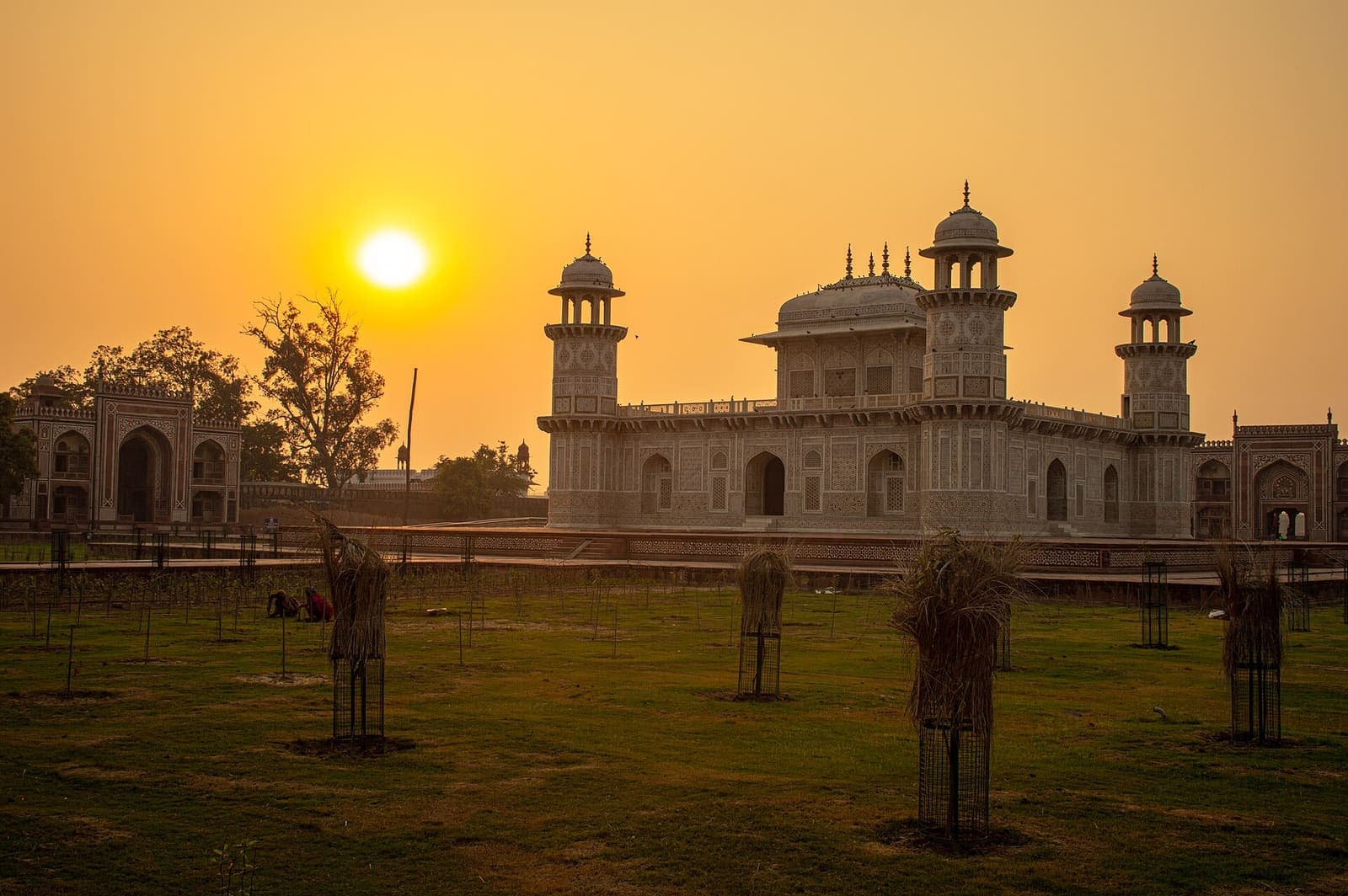
Photo: Philip Nalangan · Wikimedia Commons · CC BY 4.0 · resized for web
Baby Taj is the popular name for the tomb of Itimad-ud-Daulah, the white marble mausoleum that Empress Nur Jahan built for her father between 1622 and 1628 on the east bank of the Yamuna, about 5 km by road from the Taj Mahal. It is open from sunrise to sunset every day, Fridays included, and a ticket costs ₹30 for Indians and ₹310 for foreign visitors. Allow about an hour on site, or 90 minutes if you want to study the inlay.
| Fact | Detail |
|---|---|
| Official name | Tomb of Itimad-ud-Daulah, also spelt Itmad-ud-Daula |
| Built | 1622 to 1628, by Nur Jahan for her father, Mirza Ghiyas Beg |
| Open | Sunrise to sunset, every day including Friday |
| Ticket for Indian, SAARC and BIMSTEC citizens | ₹30 · ₹25 on Fridays |
| Ticket for other foreign visitors | ₹310 · ₹300 on Fridays or with a same-day Taj ticket |
| Children under 15 | Free |
| Where | The east bank of the Yamuna, next to Chini ka Rauza |
| By road from | Taj West Gate about 5 km · Agra Fort about 4 km · Mehtab Bagh about 3 km |
| Time to allow | About an hour on site, plus the drive |
The prices are the window prices in the Archaeological Survey of India’s Agra fee table, which the official Taj Mahal site and the Agra district’s monument page repeat. Tickets are also sold online on the ASI’s booking site, asi.paygov.org.in.
Is Baby Taj Agra worth the extra journey?
Yes, if you enjoy detail more than scale. It was the first Mughal building faced entirely in white marble and the first to use pietra dura, inlaid semi-precious stone, on this scale, according to the Agra district monument page. After a morning at the Taj, this is the chance to see the same craft up close, on a building small enough to take in at once, and it is far quieter than the Taj or the fort.
Leave it out if your train departure already makes the afternoon tight. It is on the other bank of the river from the Taj and the fort, so even a short visit means a drive across the Yamuna and back. Our guide to places to visit in Agra helps you choose priorities before allocating the remaining time.
For a first visit with only one free half-day, decide whether you most want the Taj Mahal itself, a fort, or a compact garden tomb. Baby Taj works particularly well on a second day, or on a Friday, when the Taj is closed and this tomb is open.
Who is remembered here, and why the name Baby Taj?
Itimad-ud-Daulah was the title of Mirza Ghiyas Beg, Nur Jahan’s father, who was treasurer and then wazir, the chief minister, to the emperor Jahangir. Nur Jahan completed his tomb in 1628, nearly seven years after his death, according to the ASI’s Agra Circle. That was three years before Shah Jahan commissioned the Taj Mahal in 1631.
The nickname comes from the building rather than its size. The white marble, the inlay and the garden setting read as a rehearsal for the Taj, and the official Taj Mahal site calls the tomb “a model for the Taj Mahal”. India’s official tourism site lists the stones set into the marble, which came from Rajasthan: cornelian, jasper, lapis lazuli, onyx and topaz.
Keep historical explanations separate from stories offered during a tour. If a guide makes a striking claim, ask which part of the building illustrates it. That often leads to a better conversation than accepting every comparison with the Taj Mahal at face value.
What should you look at during a one-hour visit?
Start with the garden and the position of the tomb, then move closer. Stand back long enough to understand the proportions before concentrating on a screen or panel. These are the details worth finding, as the ASI and India’s official tourism site describe them:
- The pictures in the inlay: cypress trees, wine bottles, cut fruit and vases of flowers, picked out in coloured stone.
- The carved marble jali screens, which light the central hall; stand inside and look out through them.
- The two cenotaphs side by side in the central hall, Ghiyas Beg’s and his wife’s. It is the one asymmetry in the plan, and the Taj repeats it.
- The four round corner towers, each about 40 feet high and topped with a marble kiosk, and the pavilion with its oblong dome on the upper floor.
- The Persian inscriptions: verses from the Quran on the walls, names and titles on the cenotaphs.
- The setting: a charbagh, the four-part Mughal garden, with the tomb on a sandstone terrace about 149 feet square.
Stay on permitted paths and follow any barriers or footwear instructions. The aim is to see the workmanship, not touch it. If part of the interior is closed or crowded, spend your time on the exterior and come back to the hall a few minutes later.
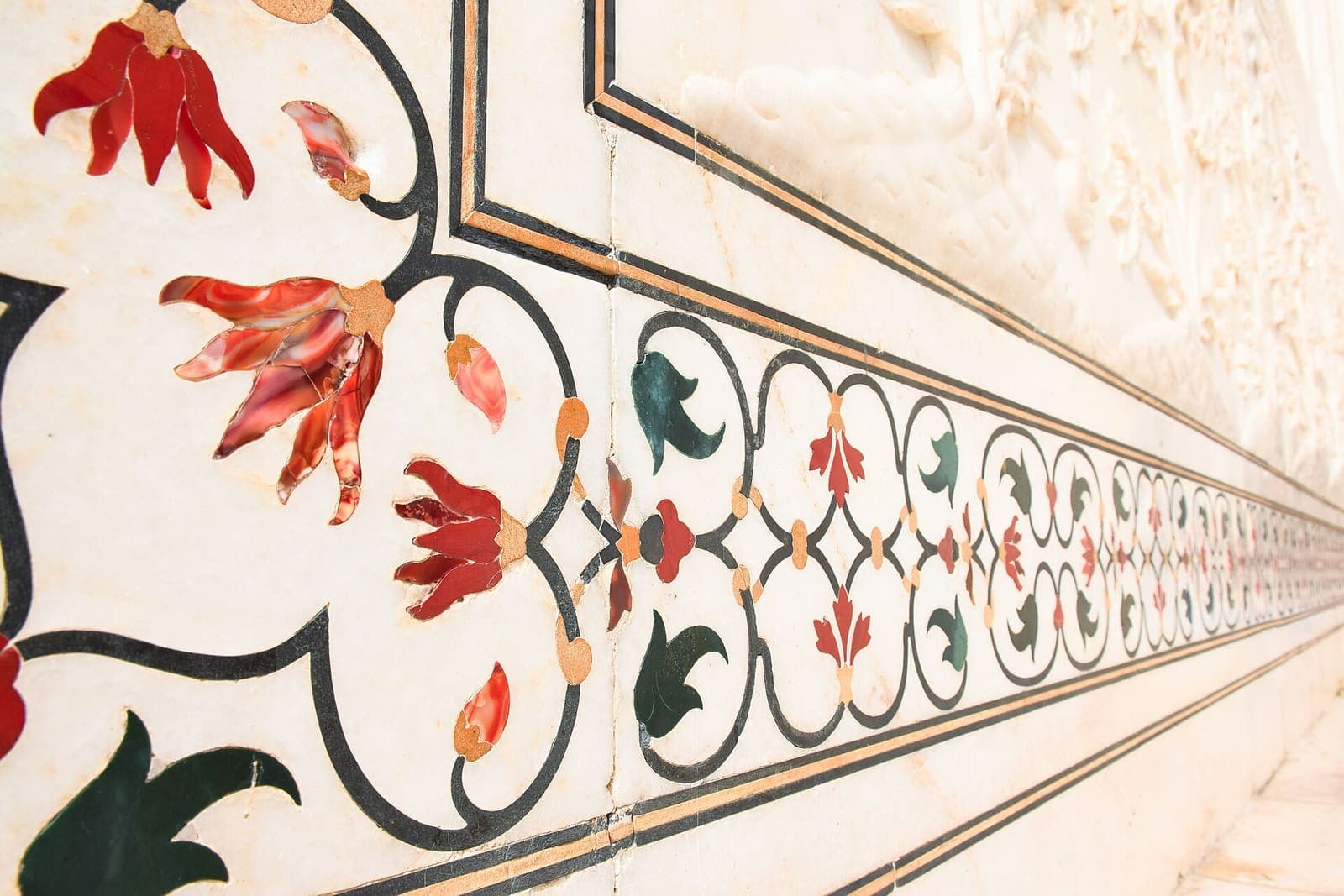
Photo: Raya Sharbain · Wikimedia Commons · CC BY-SA 4.0 · resized for web
How much is the Baby Taj ticket, and when is it open?
The tomb is open from sunrise to sunset every day of the week, Fridays included, and the ticket window is at the gate. These are the window prices in the ASI’s Agra fee table, checked on 22 October 2026:
| Visitor | Price at the window |
|---|---|
| Indian citizen | ₹30 · ₹25 on Fridays |
| Citizen of a SAARC or BIMSTEC country | ₹30 · ₹25 on Fridays |
| Other foreign visitor | ₹310 · ₹300 on Fridays |
| Foreign visitor with a Taj ticket from the same day | ₹300 |
| Child under 15, any nationality | Free |
Friday tickets are cheaper because the Agra Development Authority does not collect its toll on Fridays. A foreign visitor’s Taj ticket already includes the authority’s ₹500 toll, which covers the toll here on the same day, so keep your Taj ticket and show it at the window. One older ASI page for the tomb still shows a lower fee list; the ASI’s current table, the official Taj Mahal ticketing page and the district’s page all give ₹30 and ₹310, and this guide follows them.
For a late afternoon visit, work backwards from sunset. “Sunrise to sunset” is not a promise that you can still walk in five minutes before the sun goes down, so arrive with at least an hour of daylight left.
How should you arrange transport across the river?
Baby Taj stands on the east bank of the Yamuna, on the Aligarh road, about 4 km by road from Agra Fort and about 5 km from the Taj’s West Gate. An auto-rickshaw or taxi is the usual way there, and allowing about 20 minutes from the Taj side covers ordinary traffic. Agra’s metro runs on the Taj and city side of the river only.
Give the driver both names, Baby Taj and Itimad-ud-Daulah, then agree whether they will wait, whether the price includes the next stop and where you will meet outside. Save your hotel address and the driver’s number before you leave a reliable connection.
Two smaller monuments sit on the same road. Chini ka Rauza, the tomb of Shah Jahan’s prime minister with its blue glazed tiles, is about a kilometre away, and Ram Bagh, one of Agra’s earliest Mughal gardens, about 3 km, according to the official Taj Mahal site. Either is an easy addition if you still have time.
A realistic Baby Taj and Mehtab Bagh afternoon
Our suggested order is lunch, Baby Taj, then Mehtab Bagh, the walled garden across the river from the Taj, about 3 km away on the same bank. It is also open from sunrise to sunset, with its own ticket: ₹25 for Indians and ₹300 for foreign visitors in the ASI’s table. Keep Baby Taj as the main stop and treat the garden as optional if traffic, weather or tiredness changes the day.
| Stage | What to decide |
|---|---|
| Before leaving lunch | Check the sunset time and agree the return with your driver. |
| Baby Taj | An hour for the building and garden; do not spend it all at one photo position. |
| Decision point | Check the time after exiting. Continue only if an hour of daylight is left. |
| Mehtab Bagh | A separate ticket; time it for the last hour of daylight, with the Taj across the river. |
| Return | Go to your hotel or a planned meal, rather than adding another distant monument. |
Our Mehtab Bagh guide explains the riverbank viewpoint. For a more varied day, pair Baby Taj with the fort instead, about 4 km back across the river; the Agra Fort guide will help you judge how much walking that involves.
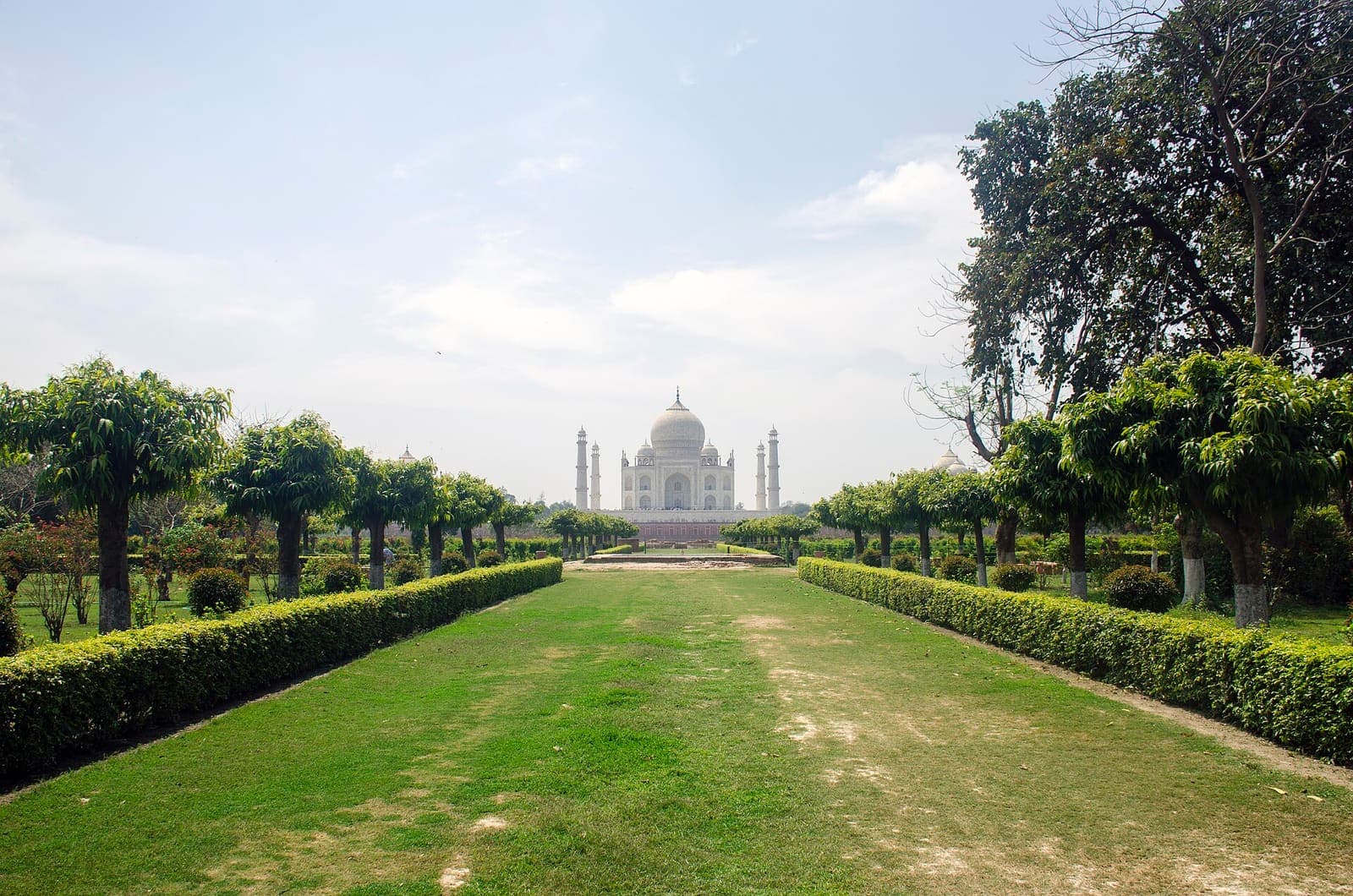
Photo: Rangan Datta · Wikimedia Commons · CC BY-SA 4.0 · resized for web
Where does a meal break fit?
Place lunch before the riverbank circuit if everyone is already hungry. A plan that depends on finding the perfect restaurant after two monuments can turn a manageable afternoon into an uncomfortable one.
Altitude Rooftop Lounge publishes this guide. It is at Jaipur House, MG Road 2, on the city side, about 7 km by road from Baby Taj, so treat it as a planned meal stop rather than a café beside the tomb. It opens at 12:00 PM every day, and its English menu marks every dish veg, non-veg or egg. The rooftop has a city outlook, not a Taj Mahal view; the contact page has the exact location.
Travellers on a foreign passport who stop at Altitude between 1:00 PM and 7:00 PM get buy one, get one free on all drinks: show the passport, or a photo of it, when you order, and the second drink is the same or a lower price. It is dine-in only, does not combine with another offer and does not run on 31 December, 1 January or major festivals; the foreign-traveller terms are on the offers page.
What should you check before leaving?
Choose the one thing you would regret missing, whether that is the inlay, a quiet garden or the Taj across the river from Mehtab Bagh, and protect time for it first. Carry identification, keep any same-day Taj ticket for the discount, and agree the return journey. If you are combining several monuments, the three-day Agra itinerary offers a less compressed way to arrange them.
Prices, hours and the monument details were checked on 22 October 2026 against the ASI’s Agra Circle, the official Taj Mahal site and the Agra district’s page. Distances are road-routing figures, and the time allowances are editorial suggestions.